1. Market Size & Growth
The global jelly and dessert market has been expanding steadily due to growing demand for convenient, tasty, and visually appealing snacks.
Market value (as of recent data, 2023–2024): estimated at USD 4–5 billion globally.
Expected CAGR: around 4–6% in the next five years.
Growth is driven by rising consumer preference for on-the-go desserts, ready-to-eat products, and healthier fruit-based snacks.
2. Regional Insights
Region Key Highlights
Asia-Pacific Dominant market (especially China, Japan, South Korea, Thailand). Strong demand for fruit jelly cups and “konjac jelly.”
Europe Focus on natural ingredients and reduced sugar. Fruit spreads and vegan dessert jellies are popular.
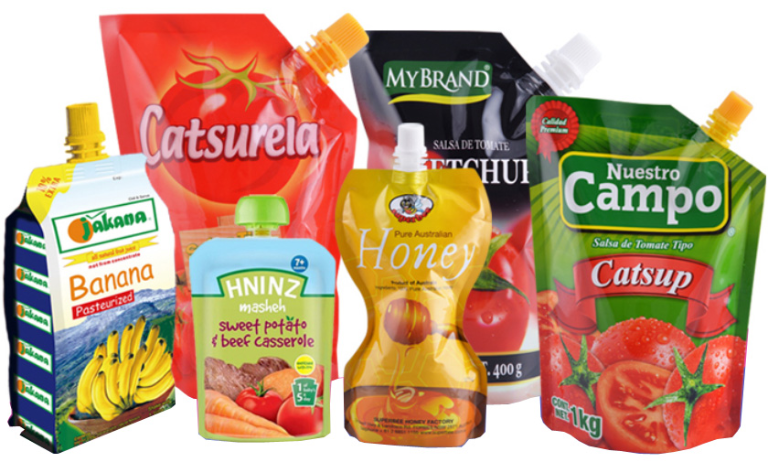
North America Stable market, with innovation in packaging (squeeze pouches, snack cups).
Middle East & Africa Emerging market with rising middle-class consumption and retail expansion.
3. Consumer Trends
🍊 Health & Wellness: Increasing interest in low-sugar, fat-free, and natural fruit-based jellies.
🧃 Functional Food: Growth in jelly with vitamins, collagen, or probiotics.
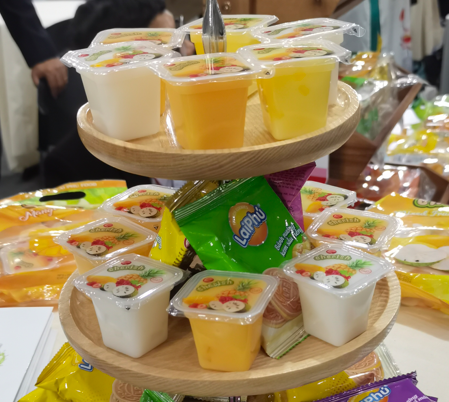
🎨 Visual Appeal: Consumers are drawn to colorful, transparent, and layered jelly products.
🕹️ Convenience & Portability: Jelly in small cups, pouches, or stick formats fits modern lifestyles.
🌱 Sustainability: Shift toward eco-friendly packaging and plant-based ingredients.
4. Key Market Players
Some leading brands and manufacturers include:
Del Monte Foods (US) — fruit jelly and dessert cups.
Meiji, Morinaga (Japan) — premium konjac fruit jellies.
Haitai, Orion, Want Want (Asia) — snack-style jelly brands.
Private label and OEM producers are expanding rapidly in Asia and Eastern Europe.
5. Market Opportunities
Product Differentiation: Functional, reduced-sugar, or plant-based formulations.
Packaging Innovation: Single-serve, squeezable pouches, resealable cups.
Regional Flavor Expansion: Local fruit flavors (mango, lychee, yuzu, passion fruit).
Cross-category Integration: Jelly-infused yogurt, drinkable jelly, jelly candies.
6. Challenges
High sugar perception and growing health concerns.
Supply chain stability for fruit and gelling materials (pectin, agar).
Competitive pressure from alternative desserts (chocolate mousse, pudding, yogurt).
7. Strategic Takeaways
Focus on health positioning: “Natural fruit jelly,” “low sugar,” or “functional dessert.”
Innovate packaging: easy-to-carry and eco-friendly materials.
Leverage local flavors: differentiation through cultural taste profiles.
Invest in marketing & branding: emphasize freshness, fun, and health benefits.